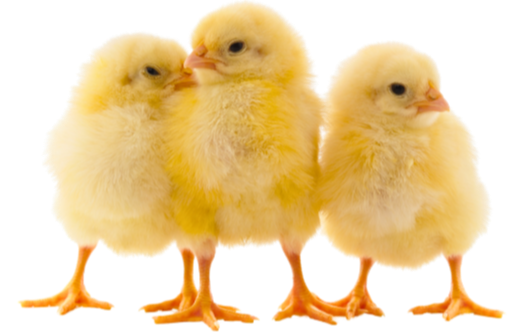


Bringing new birds into an established flock is a little like introducing fresh faces at a neighborhood party — done right, it’s a win for everyone; done wrong, and there’s pecking, squabbles, and stress galore.
Spring 2026 is a prime time to think about flock expansion. The weather is warming, resources are easier to manage outside, and natural behaviors are shifting toward productivity and growth. But before you usher your newbies into the coop, there’s a playbook worth following.
Quarantine First — Health Comes First
Before any social introductions, new birds should be isolated for at least two weeks. This allows you to watch for signs of disease, parasites, or stress that could otherwise spread to your existing flock. Casual exposure is a common way illness sneaks into coops, even when new birds look healthy at first glance.
Simple quarantine steps:
✔ Separate coop or temporary run away from your main flock
✔ Monitor food intake, droppings, comb color, and activity
✔ Practice strict hygiene between quarantined and main flock care
This initial step might feel cautious, but it’s one of the best ways to protect your entire pasture.
See but Don’t Touch — A Gentle Introduction
After quarantine, let your existing flock see the newcomers before they mingle. This can be as simple as placing the new chickens in a partitioned area of the run or coop where visual and vocal interaction is possible without contact.
This “see but don’t touch” strategy helps calm curiosity and reduce stress when physical introductions begin.
Physical Introduction — Supervised and Structured
Once both flocks are comfortable with each other’s presence:
- Neutral Ground First: Let new and existing birds explore a shared space together while you supervise.
- Multiple Entry Points: Open gates or run doors so no single bird becomes territorial over a narrow entrance.
- Extra Space for First Days: Provide multiple feeders and waterers to reduce competition.
Expect pecking order negotiations — light chases and squabbles are normal as the group rebalances. The goal is not to avoid all conflict, but to prevent anything that draws blood or leads to serious bullying.
Size & Timing Matter
It’s generally better to introduce birds that are similar in size and age to your existing flock — especially if pullets are joining adult hens. A new bird that’s too small can get bullied simply because it’s easier to pick on.
Tip: Always bring in at least two birds at a time. Solo introductions can result in a single newcomer being targeted disproportionately.
After the Introduction — Observe & Support
Once physical introductions begin:
- Keep an eye on food and water access — ensuring no one gets blocked out.
- Check feather condition daily — mild pecking is normal, but bald spots or bloody scabs are a red flag.
- Don’t sweat the temporary drop in egg production — stress can slow laying in established hens but usually bounces back.
Patience and observant care pay off. Within a week or two, most flocks will settle into a new, stable pecking order.
Further Reading
If you're planning to expand your flock this spring, timing your chick purchases correctly makes the entire process easier and healthier from the start.
Start here:
→ 2026 Spring Chick Season: When to Get Chicks & Best Timing Strategies
Then continue with:
- How to Brood Your 2026 Spring Chicks: Week-by-Week Master Plan
- Quarantine Practices for New Chickens: A Complete Guide
- Flock Psychology 101: Understanding Pecking Order & Avoiding Bullying
(These companion guides are part of our Spring 2026 Chicken Care Series.)


