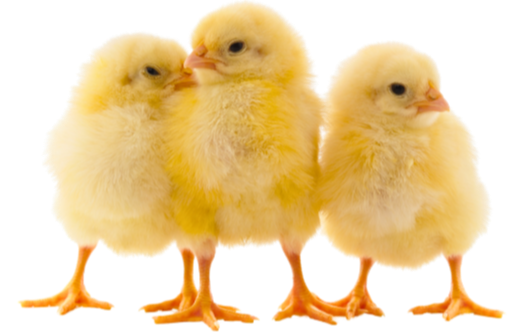


The Social Brain of a Chicken
Chickens are highly social animals with advanced visual recognition, memory, and complex group dynamics. They don’t live in chaos — they live by structure. That structure is the pecking order.
Understanding it is the difference between managing your flock with confidence and constantly reacting to problems.
What the Pecking Order Actually Is
The pecking order is your flock’s social ranking system. Every bird knows where it stands — who eats first, who controls prime roosting spots, who yields during conflict.
This hierarchy forms naturally and constantly adjusts based on:
- Age
- Size
- Health
- Confidence
- Experience within the flock
At the top sits the dominant hen (and often a lead rooster). At the bottom are lower-ranking birds who defer during feeding, roosting, and social interactions.
Chickens establish and maintain rank through:
- Short chases
- Quick pecks
- Posturing
- Vocal warnings
These behaviors look dramatic but are typically brief and controlled. Once roles are clear, conflict drops sharply.
Why New Birds Disrupt Everything
When new chickens arrive, the flock doesn’t see “new friends.”
It sees unknown variables.
The hierarchy must be recalculated:
- Who outranks whom?
- Who controls food access?
- Who sleeps where?
Until those questions are answered, pecking and boundary testing increase. This is not bad behavior — it’s the flock doing exactly what its biology requires.
Your role is not to stop the pecking order from forming.
Your role is to make sure it forms safely.
Normal vs Dangerous Pecking
Normal
- Quick pecks without injury
- Short chases
- Temporary feather loss
- Birds retreat and rejoin the group
Dangerous
- Blood drawn
- One bird relentlessly targeted
- Birds blocked from food or water
- A bird isolating itself from the flock
Blood is the line. Once blood appears, intervention is required.
Stress, Space & Chicken Physiology
Crowding elevates stress hormones in chickens just like in humans. High cortisol weakens immune response, reduces egg production, and intensifies aggression.
Flock behavior improves dramatically with:
- Adequate space
- Predictable routines
- Visual barriers
- Natural light cycles
- Clean airflow & ventilation
This is why coop design matters. Systems like the Smart Coop are built around real chicken physiology — supporting calmer social behavior by stabilizing the environment the flock’s brain is responding to every day.
Preventing Bullying Before It Starts
- Increase space during transitions
- Add multiple feeding & watering stations
- Provide hiding zones and perches
- Rearrange the coop during introductions to reset territory
- Small changes produce big behavioral shifts.
Observation Is Your Strongest Tool
Most flock problems begin as subtle changes: pacing, isolation, altered feeding patterns, uneven roosting.
Consistent observation — not just quick check-ins — is how you catch tension early. Many backyard keepers quietly rely on our coop cameras, whether as part of a Smart Coop system or standalone, to understand daily flock rhythms and intervene before conflict escalates.
The Payoff
When you manage flock psychology instead of reacting to it, everything stabilizes:
- Fewer injuries
- Better egg production
- Lower disease risk
- Calmer, more predictable birds
You stop firefighting. You start stewarding.
Further Reading
To build a healthy, stable flock this spring, continue with:
→ 2026 Spring Chick Season: When to Get Chicks & Best Timing Strategies
→ How to Brood Your 2026 Spring Chicks: A Week-by-Week Master Plan
→ Quarantine Practices for New Chickens: A Complete Guide
→ Introducing New Birds to Your Existing Flock (Spring 2026)
(Part of the Smart Coop Spring 2026 Chicken Care Series)


