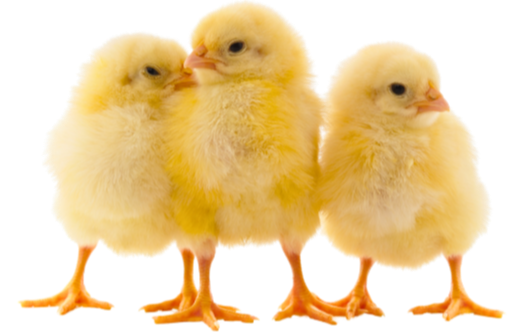


There’s something eternally hopeful about spring in the coop world — the days stretch a little longer, the chill retreats, and suddenly every chicken keeper starts asking that familiar question: Is it finally chick season?
In 2026, timing is everything. Getting it right means your new birds grow in sync with the world around them, avoiding unnecessary stress and setting them up to thrive once they leave the brooder. Let’s walk through how to time your chick orders and set yourself — and your flock — up for egg-cellent success.
Why Spring Matters More Than You Think
Spring is the natural season of renewal for most poultry. As daylight increases and temperatures firm up, chicks introduced at the right moment have the best chance to mature outdoors without too much temperature drama. Historically, hatcheries see most baby chick availability from early spring into summer, because that’s when the birds and the weather cooperate most gently.
There’s also a practical advantage: chicks that feather and grow while the days are warming tend to adapt better to outdoor life. While some keepers successfully brood year-round, spring tends to be the sweet spot for most climates.
Finding Your Ideal Chick Window in 2026
Here’s a simple way to think about timing:
Pick the day you want your chicks to be fully feathered and ready to be outside — then count back 8–10 weeks. That’s roughly how long it takes a newborn chick to grow feathers, build resilience, and leave the brooder.
For example:
- If your goal is fully feathered chicks by early May, plan for a hatch or delivery in late February to early March.
- If your region stays cool later into the year (e.g., northern states), you might target a later March or April window.
This “reverse planning” method helps you work with your actual weather, not just the calendar.
You can absolutely pick chicks up from a local feed store whenever you have the setup to brood them, but spring remains the most reliable time for healthy starts because both hatcheries and keepers are prepared for it.
Brooder Basics for Spring Starters
Whether your chicks arrive via mail or you hatch them yourself, brooding is step one:
Heat: Start chicks at about 95–100°F under a heat source, lowering it ~5°F weekly as they grow.
Space: They quickly go from cute fluff balls to adventurous explorers — make sure the brooder grows with them.
Airflow without drafts: Good ventilation keeps bedding dry and respiratory issues down.
Do not rush moving them outside just because spring officially began. Your local weather pattern — especially nighttime lows — matters more than the date on a calendar.
Climate & Weather Play a Big Role
If temperatures dip inconsistent or your nights are still cold, keep chicks indoors or in a heated outbuilding until they’re feathered and the risks of chills are low. Chicks raised in too-cool conditions will huddle, slow their growth, and be vulnerable to health issues.
In warmer climates, outdoor coops and runs can come into play earlier — but always plan the transition when daytime and nighttime temps are reliably mild.
Don’t Forget Breed & Goal Matters
If you’re aiming for egg production, timing your chicks to mature when days are lengthening helps kickstart laying sooner. If meat birds or rare breeds are your passion, adjust timing based on growth rate and seasonal availability from hatcheries.
Further Reading:
If you're planning to expand your flock this spring, timing your chick purchases correctly makes the entire process easier and healthier from the start.
Start here:
→ Introducing New Birds to Your Existing Flock
Then continue with:
- How to Brood Your 2026 Spring Chicks: Week-by-Week Master Plan
- Quarantine Practices for New Chickens: A Complete Guide
- Flock Psychology 101: Understanding Pecking Order & Avoiding Bullying
(These companion guides are part of our Spring 2026 Chicken Care Series.)


