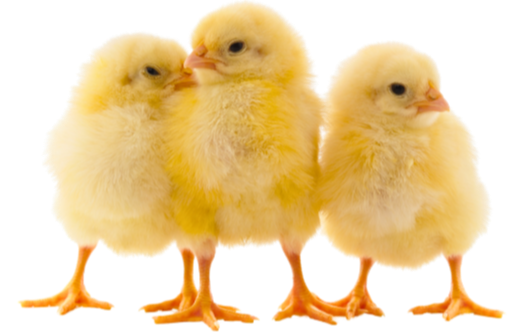


Every spring, as backyard keepers prepare brooders and dream about fresh eggs, something far less visible is happening on a massive scale: billions of male chicks are being destroyed.
Not because they are sick.
Not because they are dangerous.
Not because they serve no purpose in nature.
They are destroyed because they are inconvenient to the modern egg industry.
How We Got Here
The industrial egg system relies on a very specific type of chicken: a hen bred almost exclusively for egg production. These birds convert feed into eggs with remarkable efficiency — and their male counterparts, by design, do not.
Male chicks from laying breeds grow slowly, produce less meat than broiler breeds, and therefore have no profitable place in large-scale operations. So at hatch, they are sorted, counted, and eliminated.
This isn’t a fringe practice. It is the standard operating model.
The scale is almost impossible to grasp: billions of roosters, every year.
What This Does to Our Perception of Roosters
Over time, this industrial logic has shaped how people view roosters. They become loud, aggressive, unnecessary. The assumption seeps into backyard culture, where new keepers often start with the belief that roosters are optional at best and a problem at worst.
But that belief doesn’t come from biology.
It comes from economics.
What Nature Actually Designed
In natural flocks, roosters are not surplus. They are central.
They regulate social structure, stabilize group behavior, reduce stress, coordinate movement, provide protection, and maintain cohesion. Their presence directly affects how hens behave, forage, lay, and interact.
When chickens live as chickens — not as inventory — the rooster becomes indispensable.
The Backyard Flock as a Quiet Rebellion
Every backyard flock that includes a rooster quietly rejects the industrial model.
It says: these birds are not numbers.
They are a community.
In small-scale flocks, roosters restore what industrial systems stripped away: social balance, emotional stability, and biological integrity. Hens raised with roosters show calmer behavior, more consistent laying patterns, and stronger flock cohesion.
The difference is not sentimental.
It is physiological.
Why This Matters
When we remove the rooster from the story, we don’t just lose a bird — we lose an entire dimension of flock health.
Backyard chicken keeping offers something powerful: a return to the natural design of the species. It gives roosters back their purpose, and hens back their equilibrium.
A Better Model
The industrial system will not change overnight. But the backyard movement already has.
Every keeper who chooses to raise a rooster is participating in a quieter, more thoughtful version of agriculture — one that values health over efficiency, balance over output, and life over convenience.
The Takeaway
Roosters are not a mistake of nature.
They are a correction.
And backyard flocks deserve the full story.
________
More articles about roosters:
Why Roosters are Good For Backyard Flocks
How Roosters Protect Your Flock


