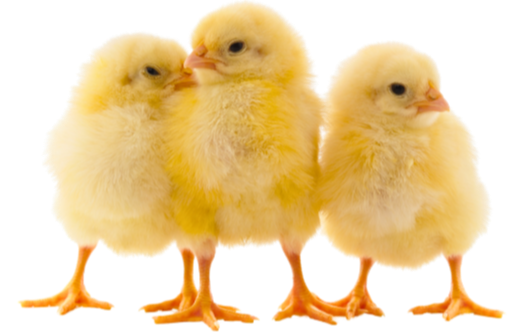


As backyard chicken keeping explodes in popularity across North America—from snowy Canadian provinces like Quebec to milder U.S. regions like the Midwest—many new owners worry about harsh winters. But here's the good news: Chickens are incredibly hardy birds that can handle extreme temperature swings, from sub-zero freezes to scorching summers, as long as you provide the right care. In fact, with proper setup, raising chickens in cold climates isn't just feasible—it's rewarding, offering fresh eggs year-round and natural pest control for your garden. This comprehensive 2026 guide will educate you on winter-specific strategies, nutrition adjustments for all climates, and why investing in a smart insulated coop is the ultimate game-changer for any environment. Whether you're in a frosty northern state or a humid southern one, you'll learn how to keep your flock healthy without deterring you from starting your own sustainable setup.
Why Raising Chickens in Cold Climates Is Totally Doable (And Beneficial)
Chickens aren't delicate—they're survivors. Bred over centuries for resilience, many breeds thrive in cold weather without supplemental heat, as long as their basic needs are met. Cold-hardy varieties like the Chantecler (developed in Quebec for frigid winters), Buff Orpingtons, Brahmas, and Wyandottes have small combs and wattles that resist frostbite, plus dense feathering for insulation. These birds can tolerate temperatures down to -20°F or lower if protected from wind, moisture, and drafts.
The key? Chickens generate body heat through metabolism and huddling, and they adapt by eating more to fuel their internal furnace. In cold climates, this hardiness translates to benefits like reduced pest issues (bugs die off in winter) and nutrient-rich manure for spring composting. Don't let winter deter you—millions of homesteaders in places like Minnesota and Alberta successfully raise flocks year-round, proving it's not only okay but smart for self-sufficiency. Plus, with urban farming on the rise in cities like Chicago and Toronto, local ordinances are increasingly chicken-friendly.
Essential Winter Care Tips: Keeping Your Flock Warm, Dry, and Healthy
Winter chicken care focuses on prevention rather than reaction. The goal is a stress-free environment that lets your birds' natural resilience shine. Here's how:
- Coop Preparation and Ventilation: Ventilation is king—too much moisture leads to frostbite and respiratory issues, so ensure good airflow while blocking drafts. Insulate walls and roofs with materials like straw or foam boards, but avoid sealing everything tight; aim for vents near the roof to let humid air escape. Use the deep litter method: Layer bedding (straw or pine shavings) 6-12 inches deep to generate natural heat through composting. Clear snow from runs and provide tarps for windbreaks.
- Frostbite Prevention: Common on combs and feet, frostbite happens from wet conditions, not just cold. Keep coops dry, use wide roosts (2x4 boards) for foot coverage, and avoid petroleum jelly—it can trap moisture. For extra protection, add insulation like cardboard or hay bales around the coop.
- Daily Routines: Collect eggs frequently to prevent freezing, and swap waterers often (heated ones are ideal if electricity is available). Provide dust baths with sand and diatomaceous earth to combat parasites, even in winter. No need for heat lamps unless temps drop below -20°F—they pose fire risks and can prevent acclimation.
- Health Monitoring: Watch for signs of cold stress like lethargy or puffed feathers. Boost immunity with natural remedies like garlic or onions in feed for respiratory support. Molting hens need extra care—add protein-rich treats like mealworms.
These tips apply broadly but adapt to your locale: In wet Pacific Northwest winters, prioritize drainage; in dry Mountain West areas, focus on humidity control.
Chicken Nutrition Across Climates: Tailoring Diets for Optimal Health
Nutrition isn't one-size-fits-all—it shifts with seasons and regions to keep your flock productive. Chickens need a balanced diet of 16-18% protein, plus carbs, fats, vitamins, and minerals, but adjustments ensure they thrive in varying conditions.
- Cold Climates (Winter Focus): Birds burn more calories for warmth, so increase feed by 20-30%. Boost protein and fats with corn, sunflower seeds, or fermented feed for energy. Add vitamin D supplements if sunlight is scarce, and offer warm mashes (oats with greens) on freezing days.
- Hot Climates (Summer Strategies): Heat stress reduces appetite, so provide electrolytes in water and feed during cooler times. Focus on hydration with fruits like watermelon; avoid heavy proteins that generate excess body heat.
- Moderate or Variable Climates: Stick to a baseline layer feed, supplementing seasonally—greens in spring for vitamins, grains in fall for weight gain. In humid areas like the Southeast, prevent mold with dry storage; in arid Southwest spots, ensure grit for digestion.
Always offer free-choice grit and oyster shells for calcium, and forage opportunities year-round to mimic natural diets. This adaptive approach keeps egg production steady, even in challenging weather.
Why Our Smart Insulated Coop Is the Best Choice for Any Climate: Data and Real-User Stories
While basic coops work, a smart insulated coop elevates care to effortless levels, making it ideal for beginners and pros alike. Our Smart Coop (from smart.coop.farm) combines Yeti-grade insulation, automation, and smart AI tech, backed by features that handle extremes—from -40°F winters to 110°F summers.
Key Features and Data-Supported Benefits:
- Insulation for Temperature Control: Built with double-walled Yeti-grade insulation that retains heat in winter (reducing frostbite risk by up to 50% compared to uninsulated coops) and stays cool in summer via ventilation. This premium insulation keeps the coop 15–20 degrees warmer in winter without extra heat sources, and cooler in summer to prevent heat stress. Studies show insulated setups improve egg yields by 20-30% in cold weather by minimizing stress.
- Smart Tech for All Climates: Wi-Fi cameras, app monitoring, and automatic doors let you check on your flock remotely—perfect for busy urbanites in variable climates like the Northeast. Detachable feeders/waterers prevent freezing or overheating.
- Unmatched Durability: No cracking in extreme heat and cold makes for a coop that perseveres; users report healthier birds in extreme environments. Holds 4-6 chickens, expandable run for happy hens.
- Predator-Proof and Low-Maintenance: Steel run and secure latches ensure safety, with easy-clean features saving hours weekly.
Data shows reduced mortality by 15-25% in harsh weather, making it a worthwhile investment.
Explore related posts:
- How to Prevent Frostbite in Chickens
- Best Chicken Breeds for Cold Climates
- Winter Feeding Tips for Backyard Chickens
- Best Coops for Snowy Weather
Ready to start? Equip your flock with a smart insulated coop today for year-round success. Share your cold winter & hot summer tips in the comments—happy clucking!


